My 10 Days at the Cannes Film Festival
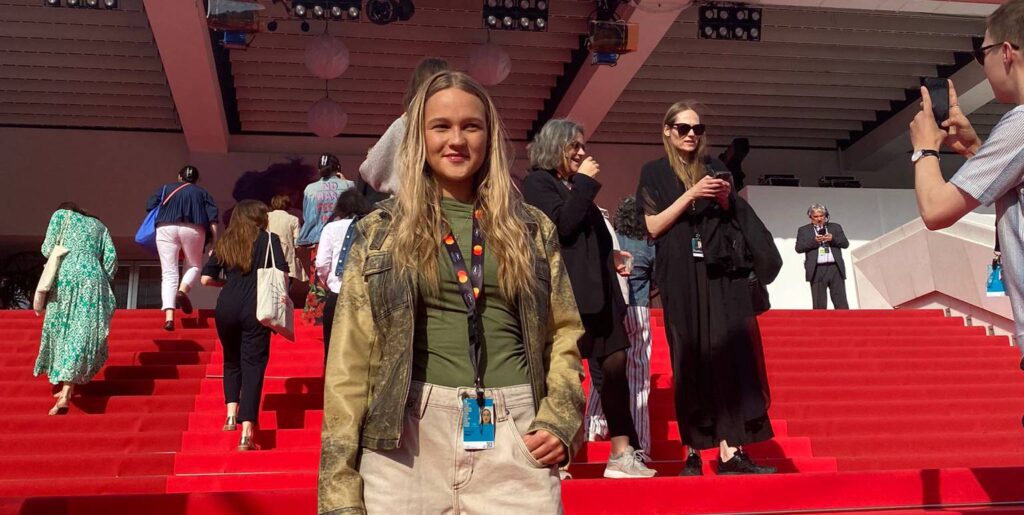
In May 2025, I attended the Cannes Film Festival as an accredited young critic with the Ecumenical Jury. Over ten intense days, I experienced the festival from the inside; watching films, writing published reviews, attending press screenings and premieres, and engaging directly with contemporary world cinema. During this time, I watched 32 films, wrote 9 published reviews, and took part in discussions that deepened my understanding of cinema as both an art form and a social force.Accreditation & Selection Process
I applied for accreditation through the official Cannes Film Festival platform and separately through the Ecumenical Jury. The application required a motivation letter, proof of enrolment at my university, and a registration fee (€24).
I was selected and received a 10-day professional pass, granting access to:
- Press screenings
- Official selections and premieres
- Red carpet events
- Jury screenings and discussions
This accreditation allowed me to experience the festival not as a spectator, but as an active participant in its critical ecosystem.
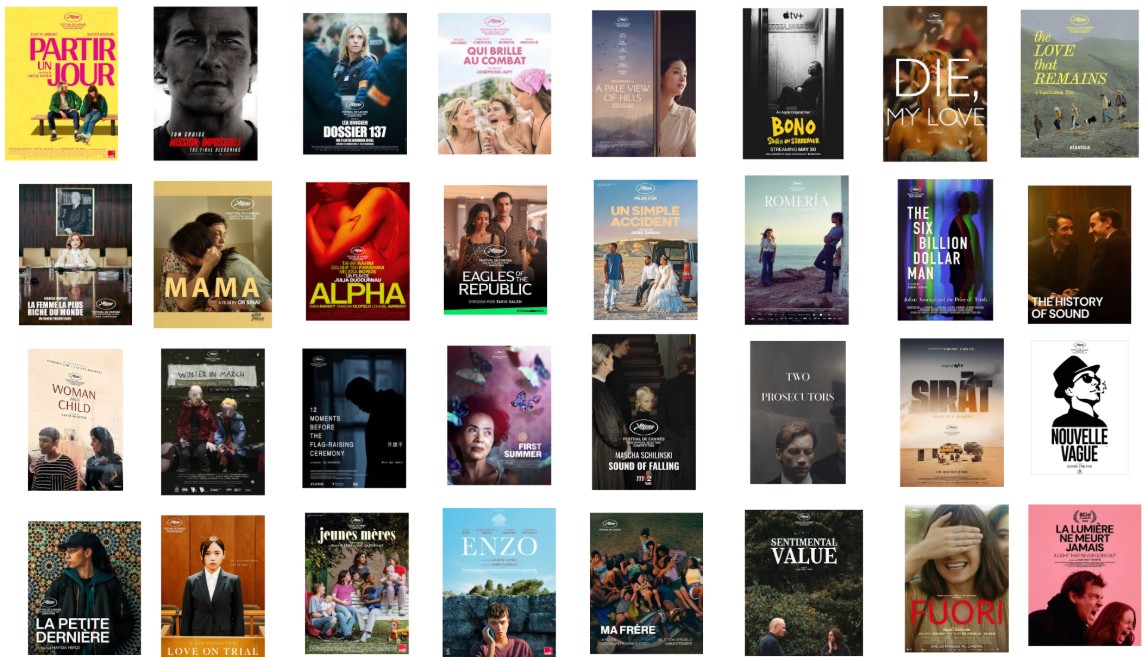
Films I Watched
I averaged three to four films per day, ranging from first features to major international productions. The selection included activist documentaries, auteur cinema, and bold narrative experiments.
Total films watched: 32
People I Saw
While attending premieres and official screenings, I encountered major figures of contemporary cinema, including:- Tom Cruise
- Luc & Jean-Pierre Dardenne
- Emma Watson
- Julian Assange
- Camélia Jordana
- Cast members from Woman and Child, Romaria, Jeunes mères, Sound of Falling, among others
Learning the Reality of Cannes
Beyond the glamour, Cannes is a demanding environment. Days often began at 7am with the ticket booking system; highly competitive among over 35,000 accredited professionals and ended well past midnight. Missing a booked screening could result in a 24-hour suspension, making discipline essential. This experience taught me:- Time management under pressure
- Professional endurance
- Commitment to critical work
- Adaptability in fast-paced cultural environments
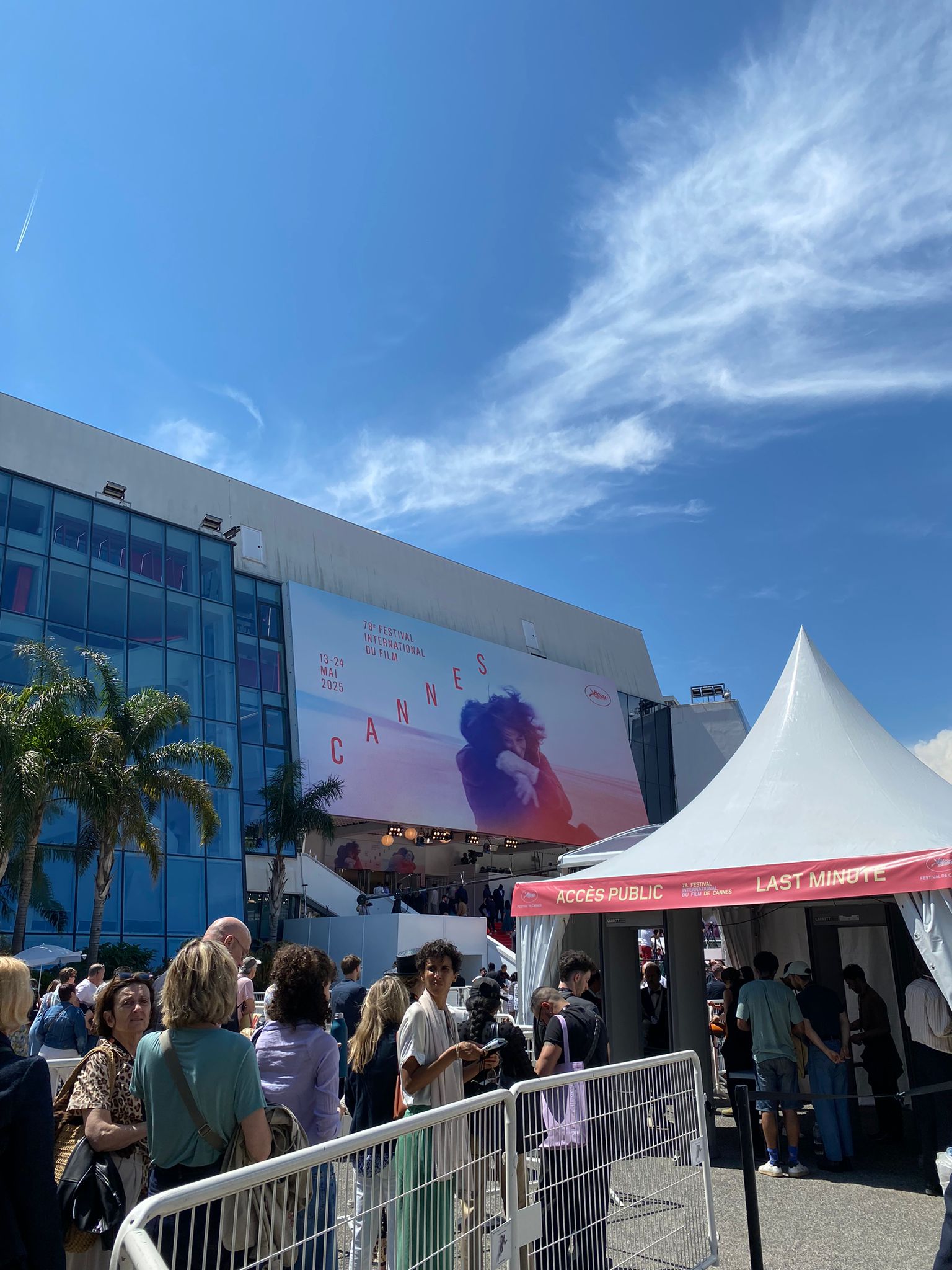
The Highlights in Photos
.
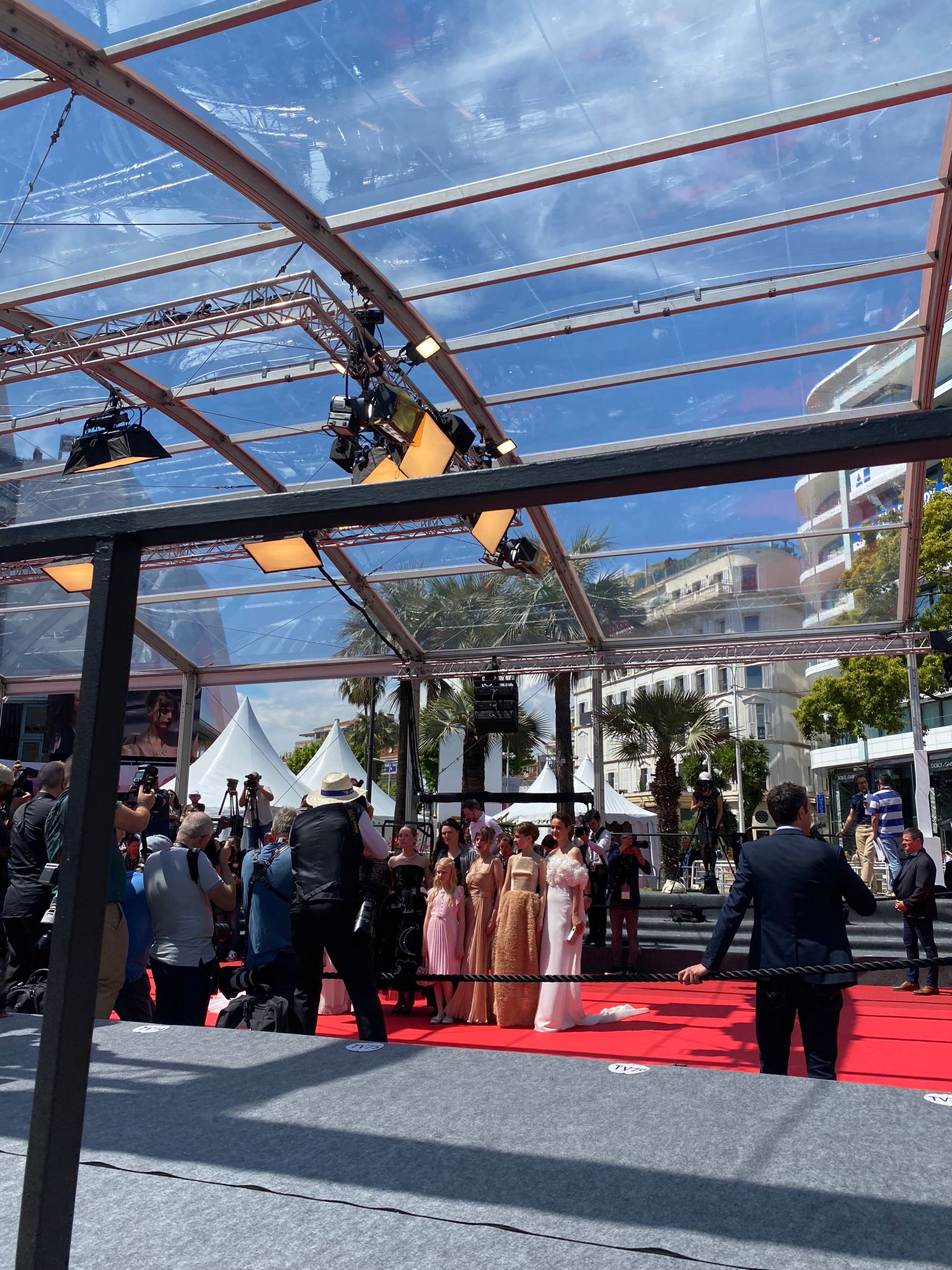
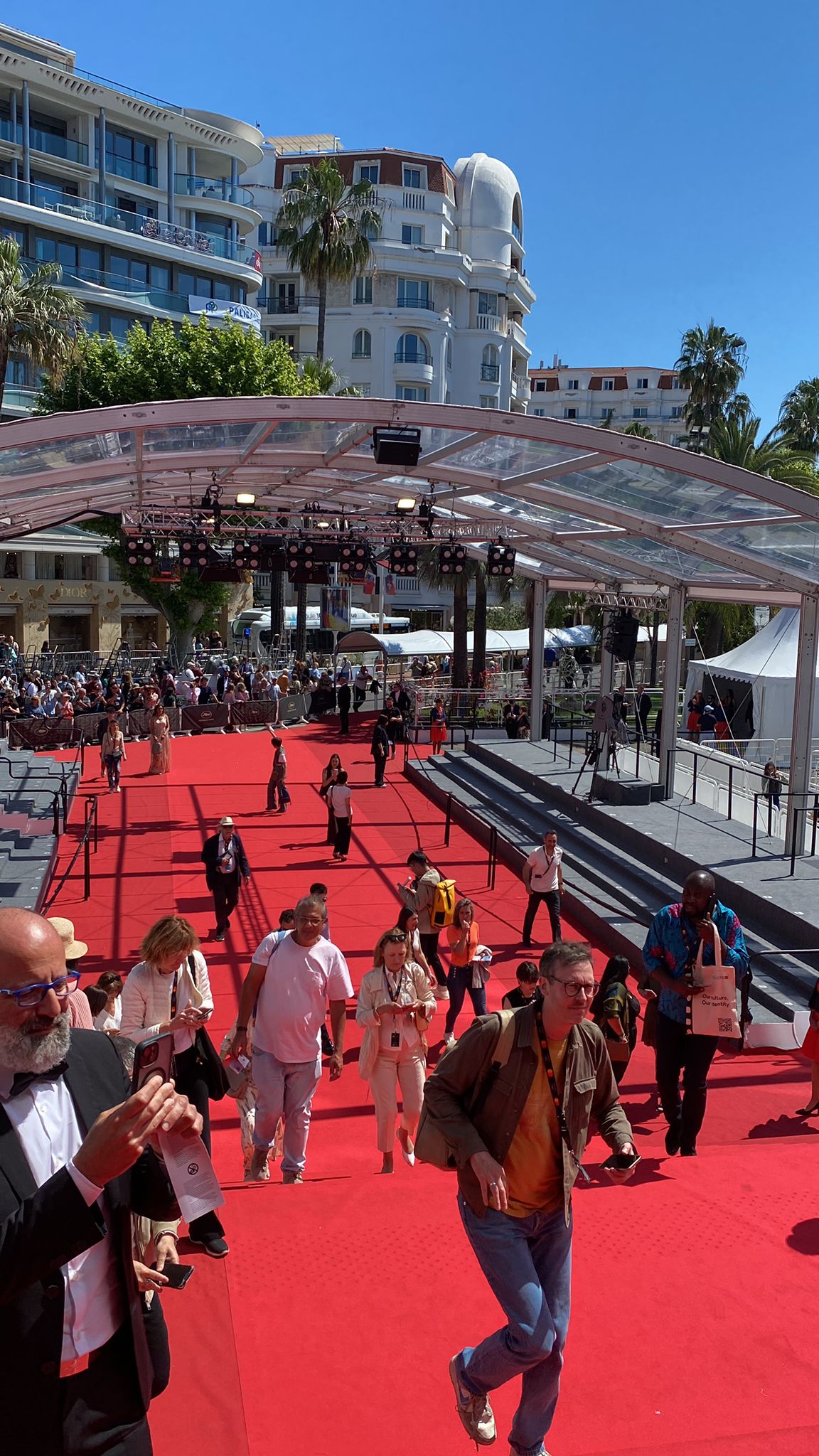
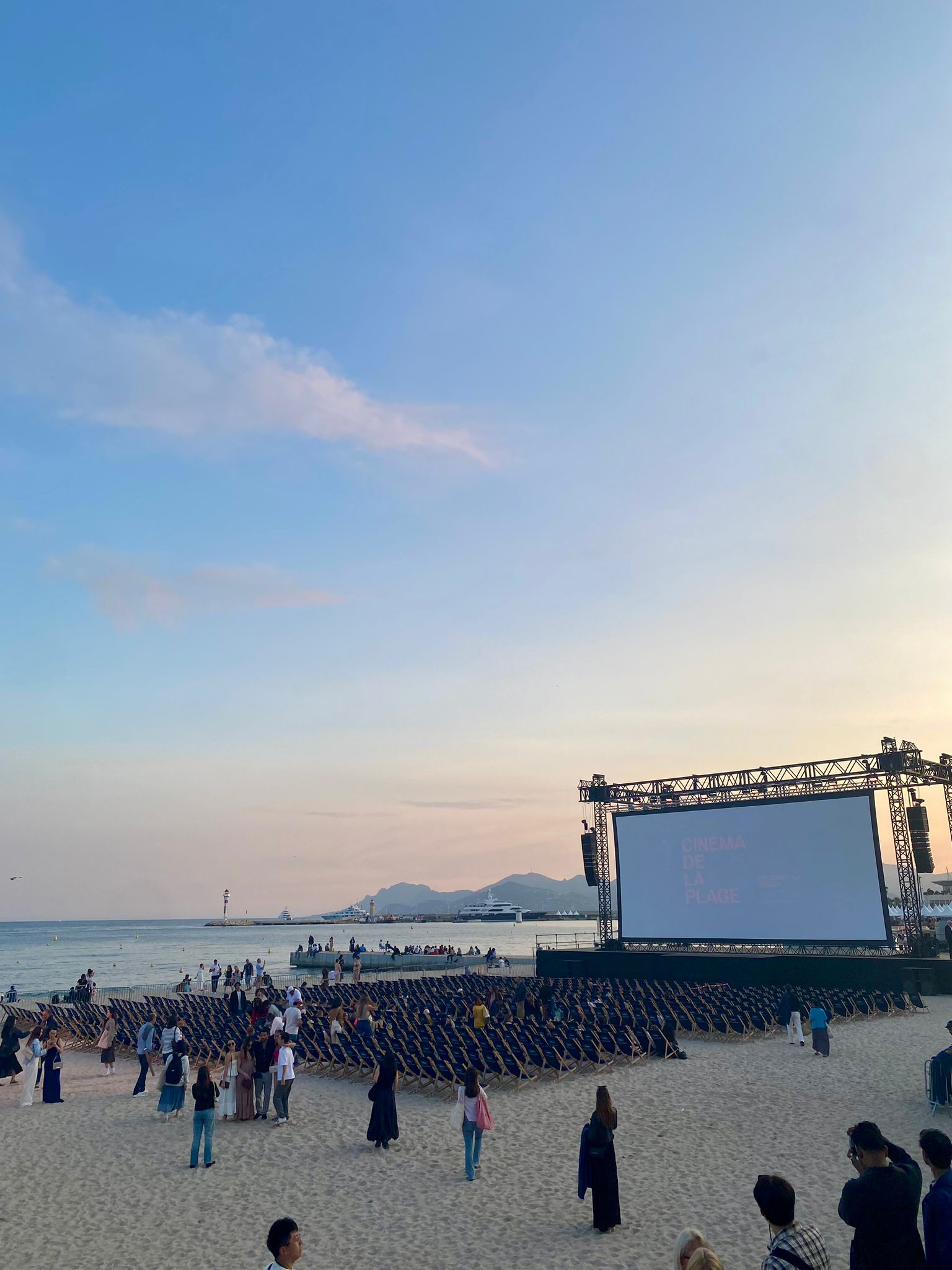
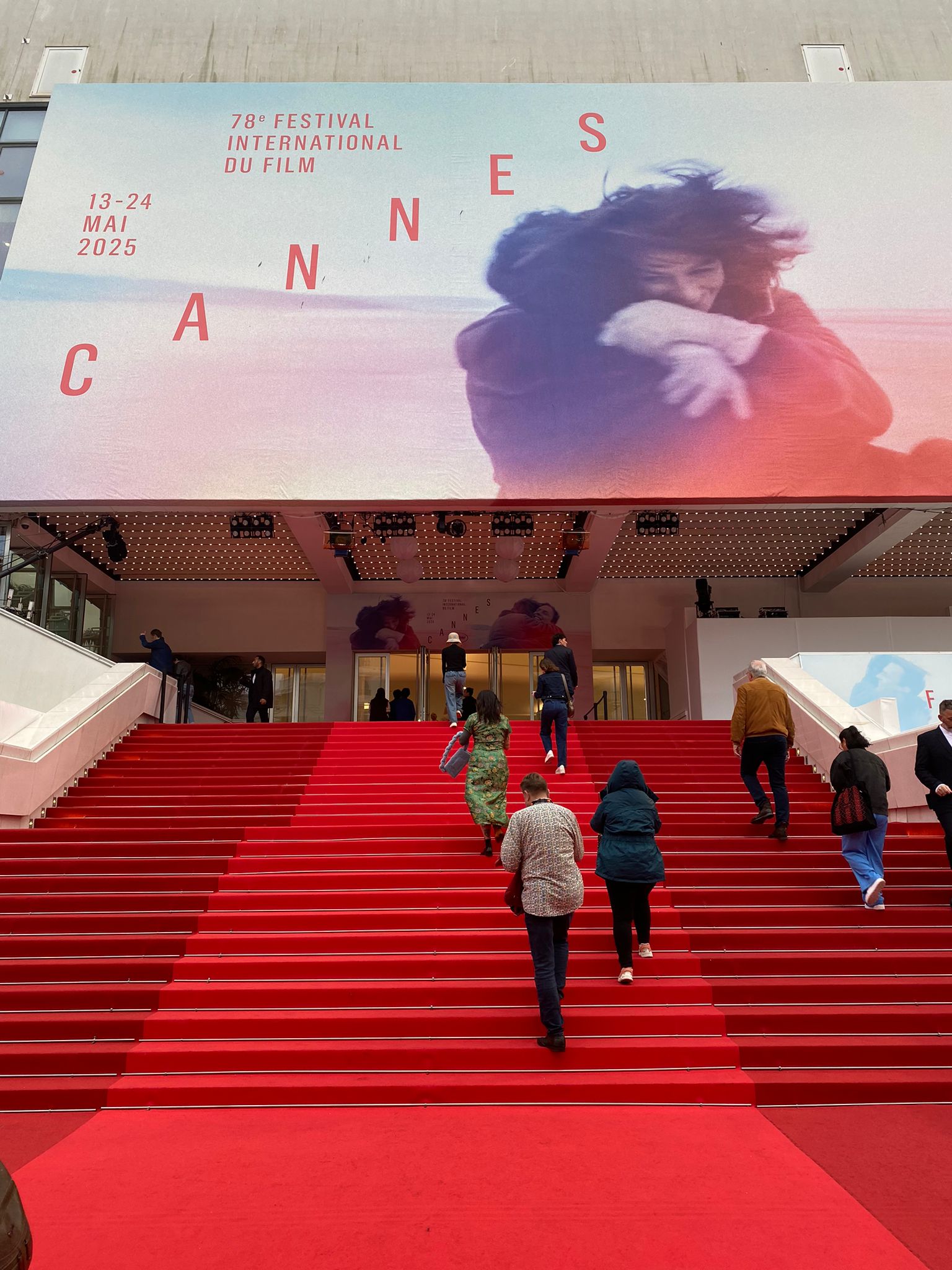
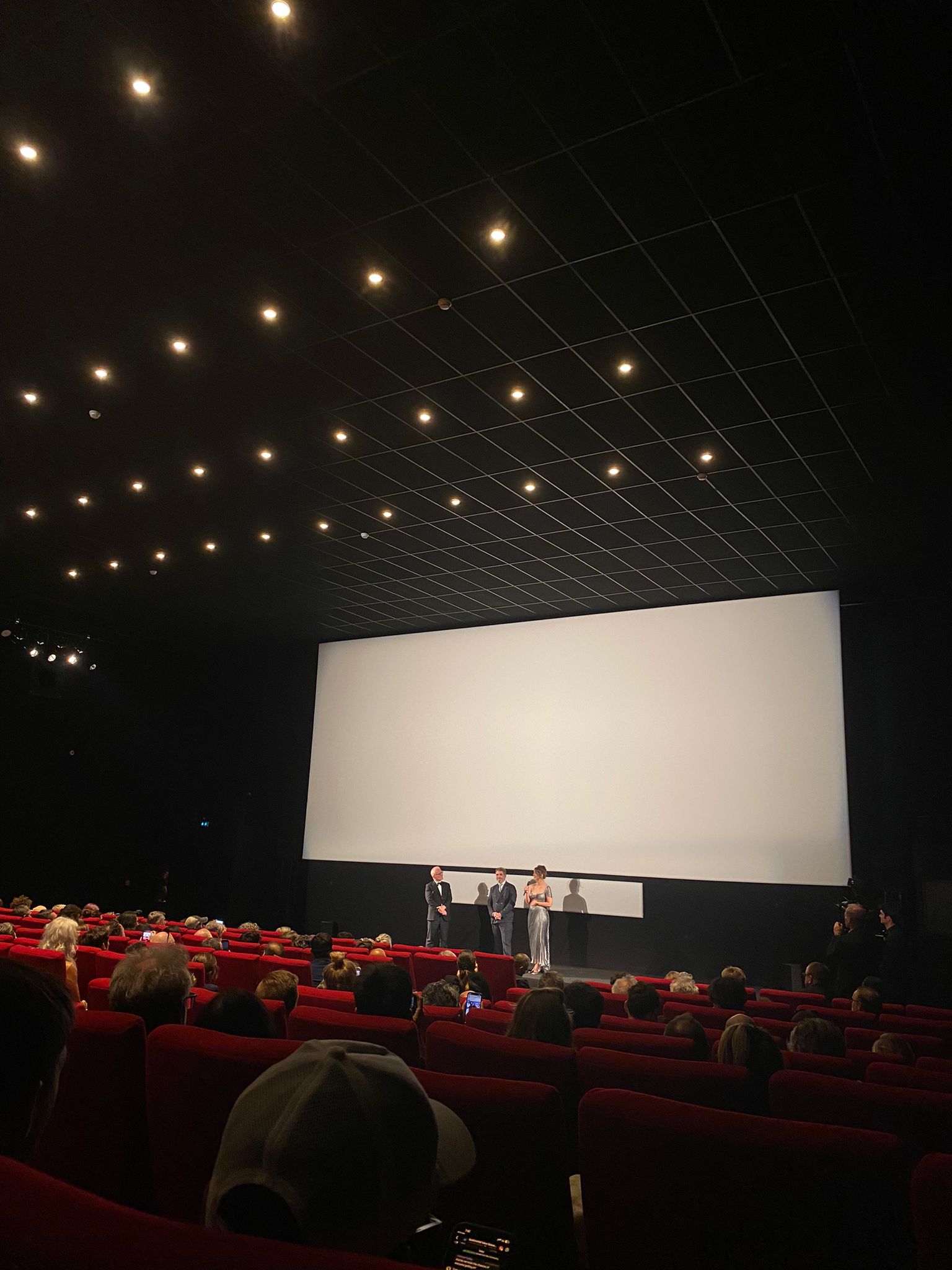
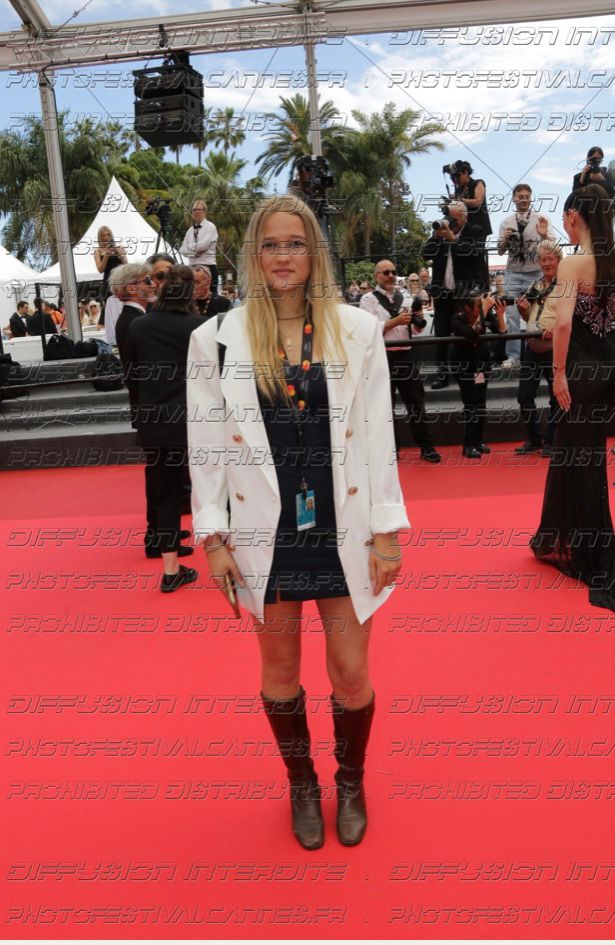
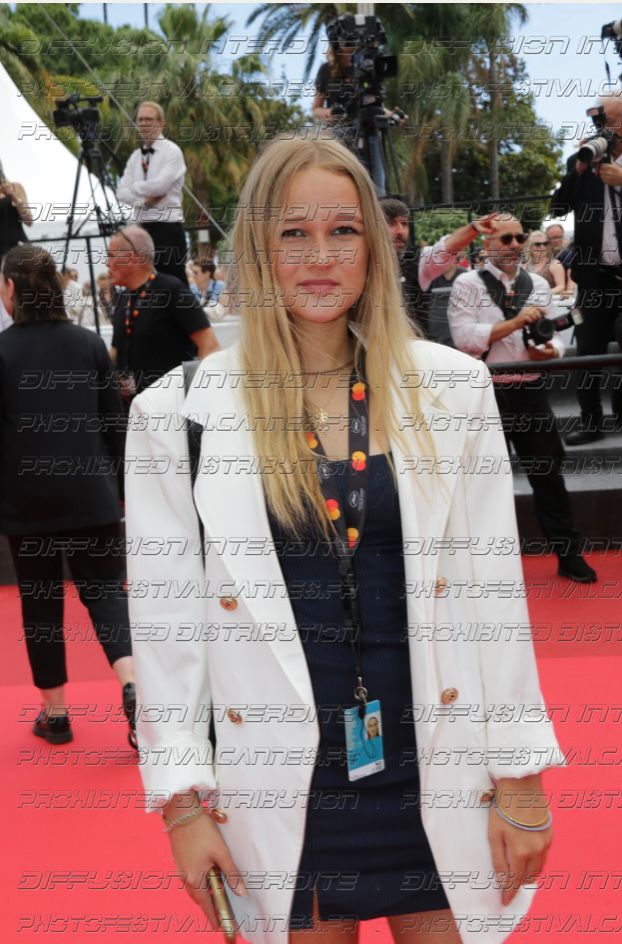
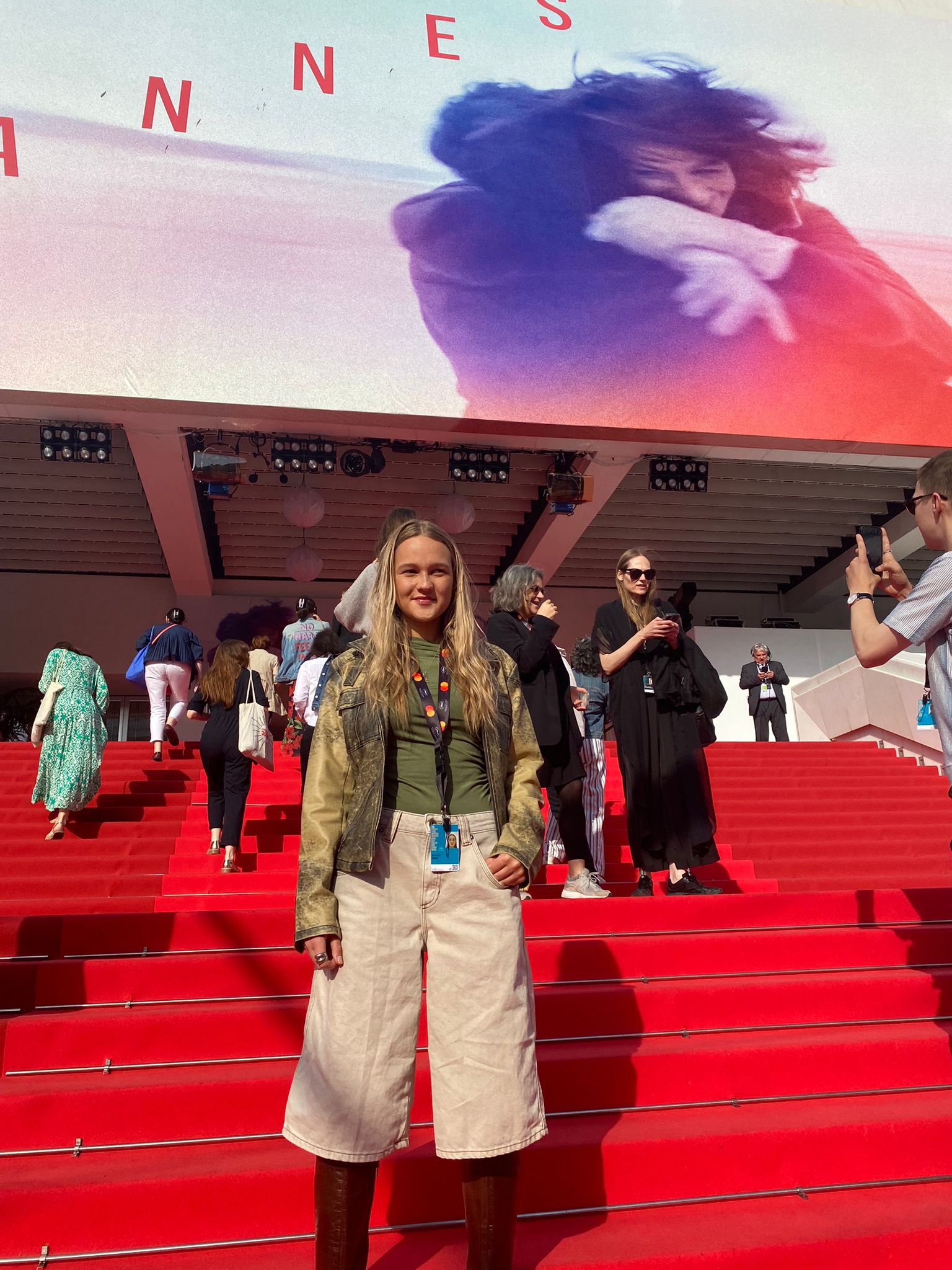
Articles I wrote
Below are selected reviews I wrote for the Ecumenical Jury in French, translated into English. Each text reflects both critical analysis and personal engagement with the films.
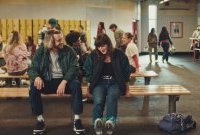
Partir un jour
17 MAY 2025
This year’s Cannes Film Festival opened with a karaoke-style presentation of Amélie Bonnin’s debut feature: Partir un jour. This musical romance, led by Juliette Armanet, is a film of nostalgia, sincerity, and simplicity, where classic French songs—such as Nougaro’s Cécile, ma fille or 2Be3’s Partir un jour—become personal anthems that tell each character’s story. At first, the choice of karaoke may seem surprising, but the performances resonate deeply through their precision and emotional honesty. The characters live through childhood memories, first love, and even dreams, all brought to life through music.
Through the director’s gentle and sincere perspective, a luminous form of feminism emerges, embodied by free-spirited and touching women. The festival opened in an unexpected, moving way, full of the joyful nostalgia that warms the heart.
by Athénaïs Host
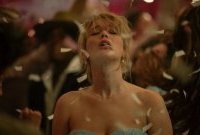
Die, My Love
22 MAY 2025
Lynne Ramsay delivers a powerful and visceral film, adapted from Ariana Harwicz’s novel, anchored by the raw performances of Jennifer Lawrence and Robert Pattinson. This intense and unsettling work immerses us in the mind of Grace, a young mother on the edge. Without ever offering a clear diagnosis, Ramsay explores postpartum depression without naming it. The film does not aim to explain or judge; instead, it plunges the viewer into Grace’s sensations—her confusion, impulses, blurred flashbacks, and fantasies. Reality is what she perceives.
Jennifer Lawrence gives an exceptional and striking performance. Her portrayal is rare in its intensity: fierce, vulnerable, almost animalistic. Her body expresses what words cannot: desire, pain, anger, emptiness. Opposite her, Robert Pattinson’s Jackson is restrained: he loves, tries to understand, but is powerless in the face of his partner’s internal implosion.
The film raises numerous questions without providing answers, which is part of its strength. Ramsay sprinkles symbols without explanation, leaving the audience to decipher Grace’s enigma. Die, My Love confronts what society often silences: the difficulties of motherhood, buried trauma, wild love, and the impossibility of conforming to societal dictates. An aesthetic and emotional shock, illuminated by Jennifer Lawrence’s unforgettable performance.
by Athénaïs Host
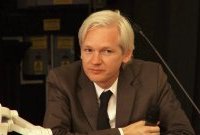
The Six Billion Dollar Man
23 MAY 2025
Has speaking the truth become a crime? In The Six Billion Dollar Man, Eugene Jarecki tackles the case of Julian Assange without ever slipping into glorification. Assange, the founder of WikiLeaks, is portrayed neither as a hero nor a villain, but as a spectral figure—a symbol of the whistleblower sacrificed for exposing inconvenient truths.
Absent yet present, he is evoked through the testimonies of those who knew him: Naomi Klein, Pamela Anderson, and the former president of Ecuador. The film traces his rise, his fall, and his seven years confined to the Ecuadorian embassy in London. What was meant to be a refuge becomes a gilded prison, then a trap: hacked cameras, infiltrated security, betrayals. The documentary takes on the intensity and tension of a political thriller.
The film neither absolves nor demonizes him; it observes him, as Edward Snowden puts it, “neither as an angel carved in marble, nor as a vial of poison.” Jarecki exposes Assange’s human flaws—arrogance, paranoia—while subtly indicting the powers that targeted him.
Rich, rigorous, and essential, The Six Billion Dollar Man is a stark reminder that in a world of surveillance and disinformation, speaking the truth can cost freedom.
by Athénaïs Host

Nouvelle Vague
22 MAY 2025
Nouvelle Vague pays tribute to cinema by retracing the making of Jean-Luc Godard’s legendary À bout de souffle. The film captures the revolutionary spirit of the young director, whose vision forever changed the world of cinema. Godard appears daring, often misunderstood, frequently alone in his belief in his own ideas. His story is deeply inspiring, especially for filmmakers, as it speaks to all dreamers who wish to create films outside the rules. Director Richard Linklater reminds us that anything is possible—that cinema has no single path, and that success can emerge from freedom, doubt, and intuition.
Nouvelle Vague is also a pure aesthetic pleasure. Filmed in sublime black and white, it evokes the timeless beauty and elegance of the 1960s, with its Parisian streets, cafés, cars, costumes, and jazz. Every frame breathes the freedom and style of a decade when cinema was finding its emancipation. Alongside Godard, the film features iconic figures of the era—Truffaut, Chabrol, Juliette Gréco, and Jean Cocteau—revealing their passionate exchanges and the journeys that made them pillars of a revolutionary cinema.
Nouvelle Vague is a stunning celebration of artistic freedom and a heartfelt invitation to dare.
by Athénaïs Host
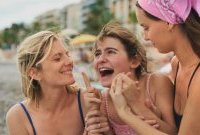
Qui brille au combat
18 MAY 2025
Qui brille au combat, the debut feature by director Joséphine Japy, explores with sensitivity and intensity the silent pain of a family affected by disability. The film portrays a shame that gradually transforms into pride, revealing a family struggling—sometimes awkwardly—to love rightly when love is shadowed by the fear that their child might not wake the next day.
I was deeply moved by the immense love between siblings, parents, and friends, as well as by each character’s journey toward self-emancipation, learning that it is possible to love others without sacrificing oneself. The film highlights how fraternal love can be both a driving force and a burden. Joséphine Japy delivers a touching tribute to these often-overlooked families, where love is intense, sometimes painful, yet always illuminated by hope.
by Athénaïs Host

La Femme la plus riche du Monde
7 JUNE 2025
Presented out of competition at Cannes, The Richest Woman in the World offers a story that is simultaneously extravagant, funny, and deeply human, loosely inspired by the Bettencourt affair. Isabelle Huppert plays Marianne Farrère, a woman of immense wealth trapped in a gilded solitude, whose life is disrupted by a flamboyant and intrusive photographer, Fantin.
The film subtly asks: can one be truly happy when they have everything except what really matters? Marianne, locked in her ivory tower, gradually rediscovers life, light, and friendship—whether real or false, we can never be sure. The performances are remarkable: Huppert captivates with restrained vulnerability, while Lafitte dazzles as a flamboyant, insolent, often outrageous—yet delightfully funny—scammer. Their dynamic sparks both laughter and emotion.
Blending social satire, dark comedy, and touching melodrama, Klifa delivers a film that is feminist, baroque, and moving. It is not just the story of a rich woman, but of a woman who begins to truly exist again through her encounter with another. And yes, it’s genuinely funny. This is a film well worth seeing.
by Athénaïs Host
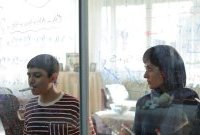
Zan o Bacheh
7 JUNE 2025
Following Leila and Her Brothers, which had earned him six months in prison and a ban on filmmaking, Saeed Roustaee returns with a powerful family drama. Despite ongoing heavy censorship in Iran, he continues to create courageous work grounded in socially engaged cinema. In Woman and Child, every shot becomes an act of bravery in a country where showing a woman without a veil can still lead to imprisonment.
Roustaee persistently exposes, with heartbreaking precision, the oppressive structures of patriarchy and the brutality of a system that mistreats women and children. Woman and Child is more than a film about injustice: it is a tribute to female dignity, maternal resilience, and familial love in the face of social storms.
It is impossible not to be moved, because, though fictional, this story reflects the reality of countless women whom society prefers to ignore. In a world so harsh on single mothers and quick to punish those who don’t conform, Roustaee nonetheless captures love, tenderness, and the sparks of everyday life. He depicts pain, yes, but never diminishes women’s strength. This is a necessary film—a political gesture and an act of artistic courage.
by Athénaïs Host
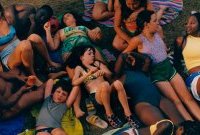
Ma Frère
7 JUNE 2025
A breath of freshness and emotion swept across the Croisette with My Brother. The film captures, with precision and sensitivity, the spirit of a summer camp—a place where, for just one week, the burdens of everyday life are forgotten. The children come from difficult backgrounds: foster families, grief, violence. Yet within this fleeting bubble, a luminous sense of care and kindness emerges.
The friendship between Shaï and Djeneba, brilliantly portrayed by Shirel Nataf and Fanta Kebe, is profoundly moving. Their bond feels real because they grew up together, and it shows in every glance and gesture. Through their respective stories, the film explores the lasting effects of childhood, inherited trauma, and the resilience required to move forward despite it all.
It reminds us that children who appear “tough” are often those who have lived too much too soon. Yet the maturity in how they listen to each other, support one another, and show care without judgment is remarkable. The language can be raw, but the intentions are tender, deep, and compassionate.
This film left me moved with joy. It reminded me of my own summer camp endings—bittersweet farewells filled with gratitude. A tender, truthful film, carried by incredible children and a duo of directors who know how to listen to humanity where it beats the strongest.
by Athénaïs Host

Sirāt
18 MAY 2025
Leaving Sirat, one feels disoriented, as Oliver Laxe places us in an almost dreamlike state. The story of a father, accompanied by his son, searching for his missing daughter becomes both a spiritual and apocalyptic journey. The Moroccan desert symbolizes the isolation of those who live on the margins of society, moving from rave to rave in the midst of an impending end of the world.
The film is as much a sensory experience as it is a portrait of a way of life: for these characters, music is essential, almost a religion. The beauty of the film lies in its unexpected light—moments of mutual aid, solidarity, and brotherhood despite the suffering and storms they face. Laxe captures a community often misunderstood, yet intensely alive, without ever judging them. While some may see chaos, I saw a quest for joy and life, carried by the power of music.
by Athénaïs Host